
The average American household spends over $1,500 per year on electricity — and solar panels can cut that bill by 50–90%. But figuring out how to choose solar panels for your home isn't as simple as picking the cheapest option online. You need to weigh efficiency ratings, panel types, warranty terms, and your roof's unique conditions before spending a dime. If you're exploring the broader world of solar and clean energy, this guide breaks down every factor that matters so you can make a confident, informed decision.
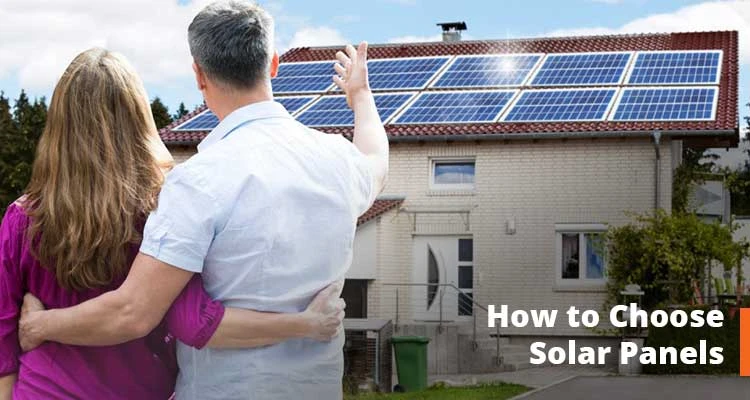
Solar technology has matured significantly in recent years, and prices have dropped by more than 70% over the past decade. That's great news for homeowners — but it also means the market is flooded with options. Monocrystalline, polycrystalline, thin-film, half-cut cells, bifacial designs — the jargon alone can stop you in your tracks. This guide cuts through the noise and gives you a practical framework for choosing panels that match your budget, roof space, and energy goals.
Whether you're going fully off-grid or just want to offset your monthly bill, understanding what solar energy efficiency actually means is the first step. Let's walk through everything you need to know.
Contents
Before you compare brands or prices, you need to understand the three main panel technologies on the market. Each has distinct strengths and trade-offs depending on your situation.
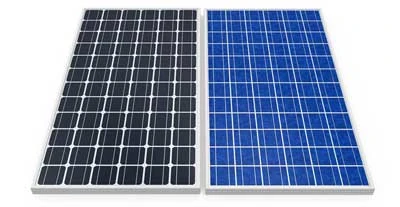
These are the two most common residential panel types. Here's how they stack up:
| Feature | Monocrystalline | Polycrystalline | Thin-Film |
|---|---|---|---|
| Efficiency | 20–24% | 15–18% | 10–13% |
| Cost per Watt | $0.80–$1.50 | $0.50–$0.80 | $0.40–$0.70 |
| Lifespan | 30–35 years | 25–30 years | 15–20 years |
| Temperature Tolerance | Good | Moderate | Excellent |
| Appearance | Sleek black | Blue speckled | Uniform dark |
| Space Required (6 kW) | ~300 sq ft | ~375 sq ft | ~500 sq ft |
| Best For | Limited roof space | Budget installs | Commercial / large flat roofs |
Monocrystalline panels use single-crystal silicon cells, which makes them more efficient but pricier. If your roof has limited space, these are usually your best bet. Polycrystalline panels use multi-crystal silicon — they're cheaper but need more square footage to produce the same output. For a deeper look at specific monocrystalline options, check out our Silfab solar panel review.
Thin-film panels are lightweight and flexible, which makes them ideal for unconventional surfaces. However, they're rarely the right choice for standard residential rooftops because:
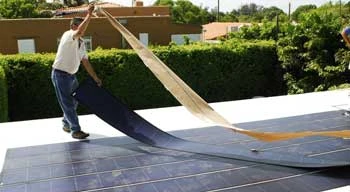
That said, if you have a large flat commercial roof or a ground-mount system with plenty of space, thin-film can offer solid value per dollar.
Knowing how to choose solar panels also means knowing what pitfalls to avoid. These are the errors that cost homeowners the most money and frustration.
Not all warranties are created equal. You need to check two separate warranties:
A cheap panel with a 10-year product warranty might save you money upfront, but if it fails in year 12, you're covering the replacement out of pocket. Always read the fine print on what voids the warranty — improper installation, unauthorized modifications, and even certain mounting configurations can disqualify your claim.
Your roof's age, angle, material, and shading all affect panel performance. Common mistakes include:
Pro tip: If your roof is more than 10 years old, get a roofing inspection before signing any solar contract. Replacing a roof after solar installation can double your costs.
Solar panels are a 25–35 year commitment. Thinking beyond the upfront price tag is essential for maximizing your return.
Your payback period depends on several variables:
For most U.S. homeowners, the payback window falls between 6 and 12 years. After that, your electricity is essentially free for another 15–20+ years. Pairing your panels with a quality deep cycle solar battery can further reduce your reliance on the grid and protect against rate hikes.
All solar panels lose a small percentage of output each year. This is normal, but the rate matters:
Over 25 years, a panel degrading at 0.3% annually still produces about 92% of its original output. A panel degrading at 0.7% drops to around 83%. That difference adds up to thousands of dollars in lost production over the system's lifetime.
Your budget and goals determine whether you should go with value-oriented or high-performance panels. Neither choice is inherently wrong — it depends on your priorities.
If your roof has plenty of space and you want the fastest payback, budget panels make sense. Here's what to look for:
A budget system might cost $2.00–$2.50 per watt installed, while premium systems can run $3.00–$4.00 per watt. For a 6 kW system, that's a difference of $6,000–$9,000.
Premium panels from brands like SunPower, REC, and LG (legacy inventory) deliver 21–24% efficiency, which means:
Premium panels earn their price when you have limited roof space, heavy shading, or want the absolute maximum output per square foot. They're also worth considering if you plan to add an electric vehicle charger or solar charger for battery-intensive applications down the line.
Understanding the basics of how solar energy conversion works helps you evaluate panel specs more confidently.
Solar panels convert sunlight into electricity through the photovoltaic (PV) effect. Here's the simplified version:
The purity and structure of the silicon directly affects efficiency — that's why monocrystalline (single-crystal) outperforms polycrystalline (multi-crystal) in energy conversion.
Your panels are only one piece of the system. The other critical components include:
For most homes with minimal shading, power optimizers paired with a string inverter offer the best balance of cost and performance. If you have significant shading or a complex roof, microinverters are worth the premium.
Abstract specs only go so far. Let's look at how to choose solar panels in two common real-world situations.
Imagine you have a 1,800 sq ft home in Phoenix with a south-facing roof that only has about 250 usable square feet after vents, skylights, and setback requirements. Your monthly bill averages $220.
In this scenario, you'd want:
With premium 400W panels at 22% efficiency, you'd need about 18–20 panels, taking up roughly 240 sq ft. Budget 350W polycrystalline panels would require 22–24 panels — and you simply don't have the space.
If you're building an off-grid cabin or rural home, your priorities shift:
Off-grid systems typically cost 30–50% more than grid-tied systems of the same wattage because of the battery bank and additional hardware. If you're going this route, investing in solar-powered outdoor lighting for your property can reduce your total system load.
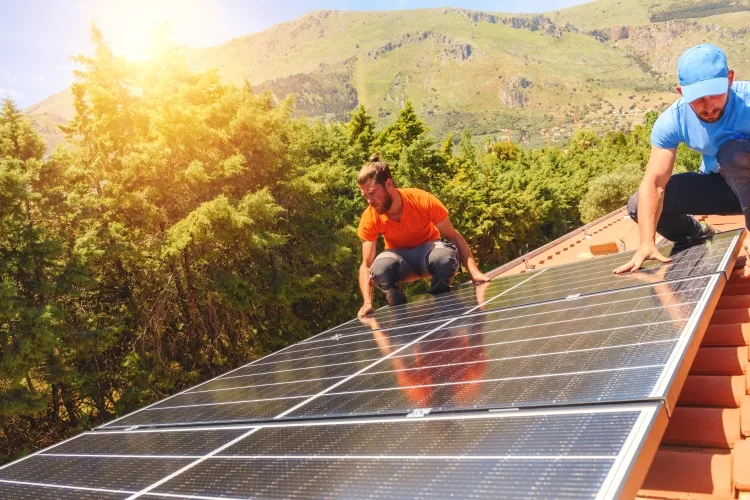
Once you've narrowed down the panel type and system size, the buying process itself can make or break your investment.
Follow these steps to make sure you're getting a fair deal:
Watch out for bait-and-switch tactics where an installer quotes premium panels but substitutes cheaper ones during installation. Get the panel model and serial number commitment in writing.
The financial incentives available to you can dramatically affect your bottom line:
Stack these incentives together and your effective cost can drop by 40–60%. A $20,000 system might net out to $8,000–$12,000 after all credits and rebates — with decades of free electricity ahead. If you're curious about the broader benefits of renewable energy systems, our guide on solar, energy efficiency, and geothermal covers the fundamentals.
Most U.S. homes need between 15 and 25 panels for a 6–10 kW system, depending on panel efficiency and your electricity consumption. A home using 900 kWh per month in a sunny region typically needs a 6–7 kW system, while higher-consumption homes may need 10 kW or more.
Yes, but at reduced output — typically 10–30% of their rated capacity depending on cloud density. Modern panels are better at capturing diffuse light than older models. If you live in a cloudy region, you'll want to oversize your system slightly to compensate for lower annual production.
Most quality solar panels last 25–35 years before output drops below practical levels. The panels don't suddenly stop working — they gradually produce less electricity each year. Tier 1 monocrystalline panels typically still produce 85–92% of their original output at the 25-year mark.
Buying (either outright or with a solar loan) gives you the best long-term return because you own the system and keep all incentives, including the federal tax credit. Leasing requires no upfront cost, but you miss out on tax credits and typically save less on your electricity bill over the lease term. If you can afford to buy, it's almost always the better financial choice.
Technically yes, but it's not recommended for most homeowners. DIY installation voids most manufacturer warranties, may not meet local building codes, and can create safety hazards with electrical connections. You'll also lose eligibility for many rebates and incentives that require licensed installer certification. The labor cost is typically only 10–15% of the total system price.
Very little. Solar panels have no moving parts and are designed to withstand weather extremes. Occasional cleaning with water to remove dust and debris is usually sufficient — once or twice per year in most climates. You should also monitor your system's output through the inverter app to catch any performance drops early. Most issues are inverter-related, not panel-related.
The best solar panel for your home isn't the most expensive or the most efficient — it's the one that fits your roof, matches your budget, and pays for itself fastest.


About Malcolm Woods
Malcolm Woods is a technology writer and sustainability advocate with a background in consumer electronics and a long-standing interest in the intersection of technology and environmental impact. He has spent years evaluating tech products — from smartphones and smart home devices to solar-powered accessories — with a focus on real-world performance, longevity, and value. At the site, he covers tech accessory reviews, smart home gear, buying guides, and practical how-to content for everyday technology users.
Go for the FREE Gifts. Or check out for free energy books from our best collection.
Remove Ad block to reveal all the secrets. Once done, hit a button below